Hybrid mattresses combine innerspring support with memory foam or latex comfort layers to deliver balanced contouring, durability, and edge support. In this category, hybrids are evaluated for coil count, surface comfort, temperature regulation, motion isolation, and overall longevity. Understanding these features helps readers select a mattress that aligns with sleep position and firmness preferences while promoting spinal alignment and pressure relief.
Key characteristics of hybrid mattresses include a pocketed coil system paired with a comfort layer that can be memory foam, latex, or a breathable quilt. This combination aims to provide robust support, reduced motion transfer, and a cooler sleep surface. Readers should consider material quality, biotechnology certifications, and the intended sleep environment for optimal outcomes.
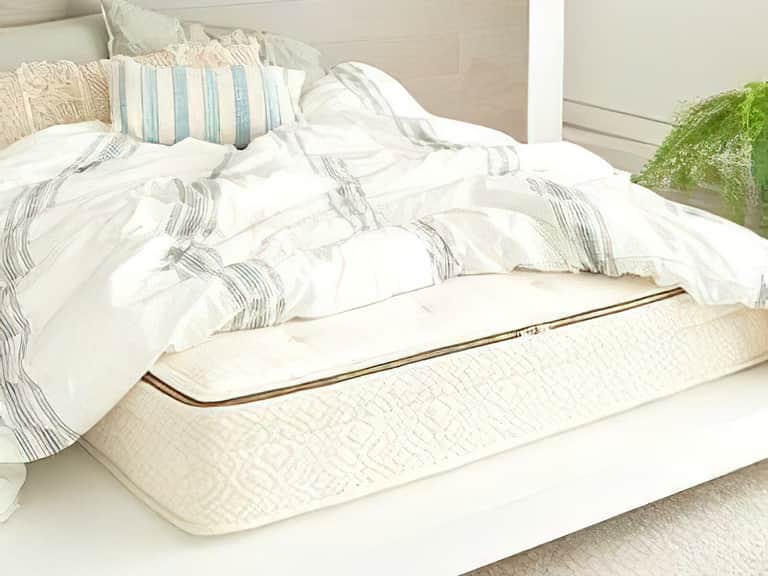
In educational terms, the Naturepedic Azure Hybrid Organic Mattress demonstrates how organic materials intersect with hybrid design. It features organic cotton and wool layers, a supportive coil system, and pressure-relieving foams designed to minimize toxins and off-gassing. Such attributes support healthy sleep hygiene and align with preferences for natural bedding ecosystems.
For users sensitive to allergens or seeking sustainability, hybrid models that emphasize organic or non-toxic components offer added value. Important considerations include allergen controls, certifications like GOTS or GOLS where applicable, and the absence of harmful flame retardants. The right hybrid can improve comfort while maintaining air quality in the sleep environment.
Overall, hybrid mattresses in this category balance targeted support with conforming comfort, making them suitable for diverse sleepers, including combinations of back, side, and stomach positions. When evaluating options, prioritize coil design, surface materials, breathability, and maintenance requirements to ensure a durable, clean, and healthy sleep setup.
 Mattresses